
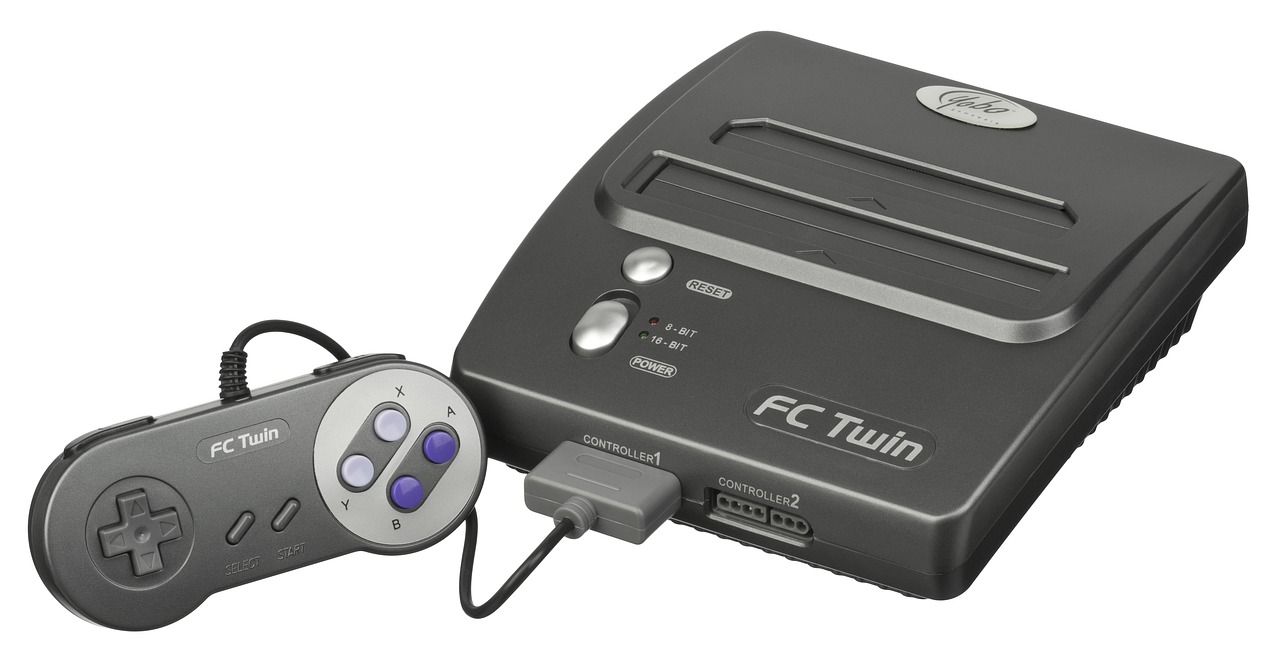
The digital landscape has been irrevocably transformed by the captivating world of online gaming content. What began as niche interests shared among enthusiasts has exploded into a global phenomenon, drawing in billions of viewers and fostering an entirely new generation of digital entertainers and media moguls. From nail-biting esports tournaments to casual playthroughs, educational guides, and comedic commentary, the sheer volume and diversity of online gaming content available today is astounding. It’s more than just entertainment; it’s a vibrant ecosystem that drives culture, influences purchasing decisions, and offers unparalleled opportunities for creators and brands alike. Dive with us into this dynamic realm and discover what makes online gaming content an unstoppable force in the digital age.
The Golden Age of Online Gaming Content Creation
We are living through an unprecedented era where video games transcend mere play to become a central pillar of digital entertainment and community. The accessibility of creation tools, coupled with massive platforms, has democratized content production, allowing anyone with a passion for gaming to share their experiences with a global audience.
What Defines Online Gaming Content?
Online gaming content encompasses a vast array of media formats centered around video games. It’s not just about showing gameplay; it’s about the narrative, the personality, and the community built around those experiences.
- Gameplay Videos: Walkthroughs, let’s plays, speedruns, challenge runs, and highlight reels.
- Live Streams: Real-time broadcasts of gaming sessions, often interactive with viewer chat.
- Esports Coverage: Professional tournament broadcasts, analysis, and player interviews.
- Reviews and Previews: Critical assessments and first looks at new or upcoming titles.
- Guides and Tutorials: Educational content helping players master games or specific mechanics.
- Gaming News and Opinion: Commentary on industry trends, developer announcements, and cultural impact.
- Community Content: Fan art showcases, modding tutorials, and discussions among players.
The Driving Forces Behind Its Popularity
Several factors have converged to propel online gaming content into the mainstream, making it a powerful force in the entertainment industry.
- Accessibility: Platforms like YouTube and Twitch make it easy for anyone to watch or create content with minimal setup.
- Relatability: Viewers connect with creators who share similar gaming interests, personalities, and humor.
- Community Building: Live chat, comment sections, and social media foster strong communities around games and creators.
- Discoverability: It’s a prime way for players to discover new games, learn strategies, and stay updated on titles they love.
- Entertainment Value: Beyond just gameplay, many creators offer comedic commentary, compelling storytelling, or impressive skill displays.
- Growth of Esports: The professionalization of competitive gaming has brought a new level of viewership and interest, mirroring traditional sports.
Actionable Takeaway: To tap into this growing market, identify a niche that aligns with your passions and leverage accessible platforms to start sharing your unique gaming perspective.
Diverse Forms of Gaming Content
The ecosystem of online gaming content is incredibly rich and varied, offering different experiences for distinct audiences. Understanding these forms is key for both creators looking to specialize and viewers seeking specific entertainment.
Live Streaming (Twitch, YouTube Gaming)
Live streaming is perhaps the most dynamic and interactive form of online gaming content, offering real-time engagement between creators and their audience.
- Interactive Experience: Viewers can chat directly with the streamer, influence gameplay decisions (via polls), and participate in live Q&A sessions.
- Unfiltered Personality: Live streams often showcase a creator’s raw personality, fostering a stronger, more authentic connection.
- Event-Driven Content: Ideal for special events, new game releases, charity streams, or collaborative sessions with other creators.
Example: A popular Twitch streamer playing a new horror game for the first time, reacting genuinely to jump scares, and interacting with viewers who offer tips or dares in real time.
Video-on-Demand (VoD) Content
Pre-recorded and edited videos offer a polished, curated experience, ideal for complex narratives, in-depth analysis, or highly produced entertainment.
- High Production Value: Creators can spend time editing, adding special effects, background music, and professional commentary.
- Evergreen Content: Guides, reviews, and lore videos often remain relevant for years, attracting new viewers over time.
- Structured Storytelling: Perfect for episodic series, comprehensive walkthroughs, or investigative pieces on gaming culture.
Example: A YouTube channel publishing a meticulously edited series explaining the intricate lore of a fantasy RPG, complete with in-game footage, fan theories, and historical context.
Esports Broadcasts & Analysis
Competitive gaming has evolved into a global spectacle, complete with professional players, teams, leagues, and massive prize pools, driving immense viewership for broadcasts and analytical content.
- High-Stakes Entertainment: The thrill of competition, impressive skill displays, and dramatic comebacks captivate audiences.
- Professional Production: Often features multiple camera angles, expert commentators (casters), instant replays, and detailed statistics.
- Strategic Insight: Content beyond live matches includes pre- and post-game analysis, player interviews, and strategic breakdowns.
Example: Watching the League of Legends World Championship, where professional casters break down complex team fights and analyze player performance, appealing to both hardcore fans and casual viewers.
Gaming Journalism & Blogs
Written content, though sometimes overlooked in a video-first world, remains crucial for in-depth critiques, news reporting, and community discussions.
- In-depth Reviews: Detailed examinations of game mechanics, narratives, graphics, and overall player experience.
- Industry News: Breaking stories on game development, company mergers, regulatory changes, and release dates.
- Opinion Pieces & Editorials: Thought-provoking articles on the cultural impact of games, ethical considerations, or personal experiences.
Example: A reputable gaming blog publishing an exclusive interview with a game director, followed by a comprehensive review of their latest title, analyzing its impact on the genre.
Actionable Takeaway: Consider the strengths of each format and how they align with your content goals. A hybrid approach, such as live streaming gameplay and then editing highlights for VoD, can often yield the best results.
Monetization Strategies for Gaming Content Creators
What started as a hobby has evolved into a viable career path for many, thanks to a diverse range of monetization opportunities within the online gaming content space. Understanding these avenues is crucial for sustainability and growth.
Direct Viewer Support (Subscriptions, Donations)
This is often the most direct way for creators to earn income, relying on the generosity and loyalty of their audience.
- Platform Subscriptions (e.g., Twitch Subs): Viewers pay a monthly fee (e.g., $4.99) to support a creator, often gaining perks like ad-free viewing, custom emotes, and subscriber-only chat. The platform takes a percentage cut.
- Donations/Tips: Viewers can send one-time monetary contributions via platforms like Streamlabs or PayPal, often with personalized messages displayed on stream.
- Membership Programs (e.g., YouTube Memberships, Patreon): Recurring payments in exchange for exclusive content, early access, or direct interaction with the creator.
Tip: Provide clear value for your supporters, whether it’s exclusive content, a shout-out, or simply acknowledging their contribution publicly.
Brand Partnerships & Sponsorships
As creators build an audience, they become attractive to brands looking to reach specific demographics, leading to lucrative partnership opportunities.
- Product Placements: Integrating a brand’s product naturally into content (e.g., using a specific gaming headset).
- Sponsored Content: Dedicated videos or streams promoting a product or service, often with a clear disclosure (e.g., “This video is sponsored by X game”).
- Affiliate Marketing: Earning a commission on sales generated through unique links or codes provided by the creator.
- Ambassadorships: Long-term relationships where a creator consistently represents a brand.
Example: A popular Fortnite streamer partnering with a snack company for a sponsored segment during their live stream, where they taste and promote the product to their young, engaged audience.
Advertising Revenue (Pre-roll, Mid-roll, Banner Ads)
Advertising is a foundational monetization method, especially on platforms like YouTube and Twitch, where creators earn a share of ad revenue generated from their content.
- CPM (Cost Per Mille/Thousand): Earnings are often based on impressions, meaning how many times an ad is viewed per thousand views.
- Platform-Dependent: Revenue share varies significantly between platforms (e.g., YouTube’s AdSense program, Twitch’s ad revenue split).
- Viewer Tolerance: Balancing ad frequency and duration is crucial to avoid driving viewers away.
Tip: For VoD, strategically place mid-roll ads in natural breaks to minimize disruption. For live streams, use short ad breaks during lulls in gameplay or transitions.
Merchandise & Digital Products
Creators can leverage their personal brand to sell physical goods and digital assets directly to their fans.
- Branded Merchandise: T-shirts, hoodies, mugs, and other items featuring the creator’s logo, catchphrases, or fan art.
- Digital Products: Custom emotes, stream overlays, sound packs, or even self-published e-books related to gaming.
Example: A retro gaming channel selling t-shirts featuring pixel art versions of their mascot character, alongside a digital pack of custom Twitch emotes for subscribers.
Actionable Takeaway: Diversify your income streams. Relying on a single method can be risky. Combine direct viewer support with advertising and explore brand partnerships as your audience grows.
Building a Successful Gaming Content Empire
Creating compelling gaming content is only half the battle; building a sustainable “empire” requires strategic planning, consistent effort, and a deep understanding of your audience. Here are key pillars for success.
Finding Your Niche and Unique Voice
The gaming content space is saturated. Standing out requires more than just playing games; it demands a unique angle and a distinctive personality.
- Identify Your Passion: What games do you genuinely love? What specific aspects excite you (e.g., lore, competitive play, speedrunning, obscure indie titles)?
- Define Your Style: Are you comedic, educational, analytical, calm, or high-energy? Let your personality shine through authentically.
- Target Audience: Who are you trying to reach? Casual gamers, hardcore competitive players, retro enthusiasts, or newcomers?
- Uniqueness Factor: What can you offer that others don’t? Perhaps a specific challenge, a deep dive into game development, or a unique perspective (e.g., gaming from a parent’s perspective).
Example: Instead of just streaming popular titles, a creator might focus exclusively on “cozy games” or “no-hit runs” of challenging boss fights, attracting a dedicated community for that specific type of content.
Essential Tools and Software
Quality content relies on a foundational set of tools, from hardware to software, ensuring your output looks and sounds professional.
- Capture Card: Essential for console gamers to capture high-quality footage (e.g., Elgato, AverMedia).
- Microphone: A good quality USB or XLR microphone is paramount for clear audio (e.g., Blue Yeti, Rode NT-USB Mini).
- Webcam/Camera: For creators who want to show their face and reactions (e.g., Logitech C920, Sony a6000).
- Streaming Software: OBS Studio (free) or Streamlabs Desktop (features built-in overlays and alerts) for live broadcasts.
- Video Editing Software: DaVinci Resolve (free), Adobe Premiere Pro, or Final Cut Pro for polished VoD content.
- Overlay/Alert Software: StreamElements or Streamlabs for dynamic on-screen graphics and alerts during live streams.
Tip: Start with essential, budget-friendly equipment and upgrade incrementally as your channel grows and revenue allows.
Audience Engagement and Community Building
A thriving community is the lifeblood of a successful content creator. Active engagement fosters loyalty and turns viewers into advocates.
- Respond to Comments and Chat: Acknowledge your viewers, answer questions, and engage in discussions.
- Utilize Social Media: Platforms like Twitter, Instagram, TikTok, and Discord are excellent for sharing updates, behind-the-scenes content, and interacting off-platform.
- Host Q&A Sessions: Dedicated times for viewers to ask questions, either live or pre-submitted.
- Run Contests and Giveaways: A great way to reward loyal viewers and attract new ones.
- Collaborate with Other Creators: Cross-promotion exposes you to new audiences and adds fresh dynamics to your content.
Example: A creator regularly hosts “community game nights” on Discord, playing games with their subscribers, or shares fan art submissions on their social media, making their audience feel valued.
Consistency and Quality Control
Regular, reliable content that meets a certain standard is crucial for retaining viewers and attracting new ones.
- Establish a Schedule: Let your audience know when to expect new content (e.g., “new video every Tuesday,” “live stream M/W/F at 7 PM EST”).
- Maintain Quality Standards: Ensure your audio is clear, video is well-lit, and editing is smooth. Don’t upload content just to meet a schedule if it compromises quality.
- Iterate and Improve: Pay attention to analytics and viewer feedback. Experiment with new formats, games, or commentary styles.
- Batch Content: For VoD, record multiple videos in advance to create a buffer against unforeseen delays.
Actionable Takeaway: Consistency is more important than immediate perfection. Start creating, learn from every piece of content, and continuously refine your craft and engagement strategies.
The Future Landscape of Online Gaming Content
The world of online gaming content is relentlessly innovative. As technology evolves and audience expectations shift, so too will the ways we consume and create gaming experiences. Predicting the exact future is challenging, but several trends point towards exciting developments.
VR/AR Integration and Interactive Experiences
As virtual and augmented reality technologies become more mainstream, their potential to revolutionize gaming content is immense.
- Immersive Streams: Imagine watching a stream where you can experience the game world in VR alongside the streamer, or interact with virtual elements in real-time through AR.
- Direct Player Influence: Viewers might directly influence VR game outcomes or narrative choices through advanced interactive overlays.
- New Perspectives: VR/AR could offer entirely new camera angles and viewing experiences for esports, placing viewers virtually on the battlefield.
Example: A VR gaming content creator streaming a horror game, where viewers in VR can look around the environment independently, perhaps even spotting clues the streamer misses.
AI-Powered Content Creation and Personalization
Artificial intelligence is poised to assist creators and personalize content experiences in unprecedented ways.
- Automated Editing: AI could automatically highlight exciting moments from long streams, generate subtitles, or even suggest optimal cuts.
- Personalized Feeds: AI algorithms will become even more sophisticated, curating highly specific gaming content feeds based on individual viewer preferences and watch history.
- Virtual Streamers & NPCs: AI-driven virtual avatars could host streams or interact with real players, offering novel forms of entertainment.
Example: An AI tool automatically generating a “best moments” compilation from a 6-hour live stream, complete with music and sound effects, significantly reducing a creator’s post-production time.
Hyper-Niche Content and Micro-Communities
While mainstream titles will always draw large audiences, the future will likely see an even greater fragmentation into highly specific niches, fostering deeply engaged micro-communities.
- Deep Dives: Content focused on extremely specific game mechanics, speedrunning categories, or obscure indie titles will find dedicated audiences.
- Cross-Game Specializations: Creators might specialize in a particular genre across multiple games (e.g., “only stealth games,” “only city builders”).
- Interactive Storytelling: More creators will explore interactive narrative formats where the community collaboratively shapes game stories.
Example: A channel dedicated solely to optimizing farming routes in a specific MMO, or one that focuses on competitive puzzle game strategies, attracting a smaller but intensely dedicated viewership.
Actionable Takeaway: Stay adaptable. Keep an eye on emerging technologies and trends, and don’t be afraid to experiment with new formats or embrace niche interests to stay ahead in the evolving content landscape.
Conclusion
The journey through the world of online gaming content reveals a landscape rich with innovation, creativity, and immense potential. From its humble beginnings to its current status as a powerhouse of digital entertainment, gaming content has proven its ability to connect millions, build vibrant communities, and provide lucrative opportunities for creators. Whether through the real-time thrill of live streaming, the polished narratives of video-on-demand, the competitive drama of esports, or the insightful analysis of written journalism, there’s a corner of this universe for everyone.
As we look ahead, the integration of cutting-edge technologies like VR/AR and AI promises even more immersive and personalized experiences. For aspiring creators, the message is clear: find your unique voice, leverage the right tools, engage passionately with your audience, and maintain consistency. For viewers, the future holds an ever-expanding library of diverse and captivating content. The golden age of online gaming content isn’t just here; it’s continuously evolving, promising a future that’s as exciting and dynamic as the games themselves.