
The Evolution of Nintendo Hardware: From Retro Systems to the Switch OLED reflects a long-standing commitment to innovation, adaptability, and creative vision within the gaming industry. Over several decades, Nintendo has consistently demonstrated an ability to redefine how players interact with games, often prioritizing originality and accessibility over raw technical competition. This approach has allowed the company to remain relevant across multiple generations, even as the broader industry has undergone rapid transformation. Each new system introduced by Nintendo has not only responded to technological advancements but has also reimagined the relationship between player and machine, resulting in a legacy that is both diverse and influential.
In its earliest ventures into home gaming, Nintendo focused on establishing a foundation built on reliability and simplicity. Early systems were designed to bring arcade-style experiences into the home, offering a level of convenience that was groundbreaking at the time. These platforms emphasized intuitive controls and straightforward gameplay, ensuring that players of all ages could engage with them easily. This focus on accessibility became a defining characteristic of Nintendo’s hardware philosophy, shaping the design of future systems. Rather than overwhelming users with complexity, these early devices introduced gaming as an approachable and enjoyable activity, laying the groundwork for widespread adoption.
As technology advanced, Nintendo began to explore new ways of expanding the gaming experience. The transition from two-dimensional to three-dimensional graphics marked a significant turning point, enabling developers to create more immersive and dynamic worlds. During this period, Nintendo introduced hardware that supported greater processing power and enhanced visual capabilities, allowing for more complex game design. However, even as these technical improvements were implemented, the company maintained its emphasis on user-friendly design. Controllers were carefully engineered to provide intuitive input, ensuring that the transition to more sophisticated gameplay did not alienate players.
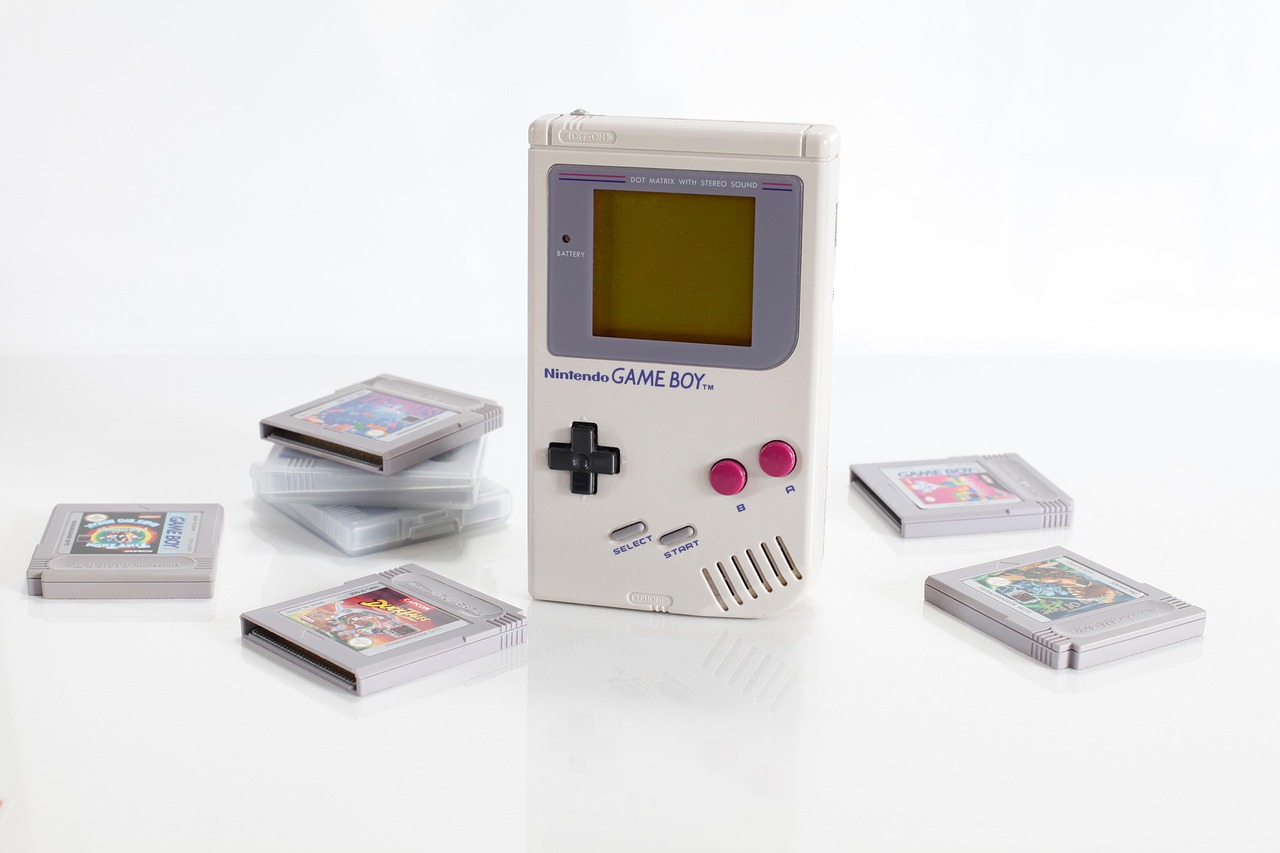
The introduction of portable gaming systems represented another major milestone in Nintendo’s hardware evolution. By bringing gaming experiences into a handheld format, Nintendo expanded the possibilities of when and where players could engage with their favorite titles. These devices were designed with portability in mind, featuring compact designs, durable construction, and efficient power consumption. The success of handheld systems demonstrated that gaming was not limited to the living room, but could become an integral part of daily life. This shift in perspective had a profound impact on the industry, influencing how other companies approached the concept of mobility.
Innovation in input methods has also been a recurring theme throughout Nintendo’s history. Rather than relying solely on traditional button-based controls, the company has frequently experimented with alternative ways of interacting with games. Motion controls, touchscreens, and other novel interfaces have been introduced to create more immersive and engaging experiences. While not every experiment has achieved universal success, each has contributed to a broader understanding of how players connect with interactive systems. These innovations have often challenged conventional design principles, encouraging both developers and players to rethink their expectations.
The integration of social and multiplayer experiences has further shaped the evolution of Nintendo hardware. From local cooperative play to online connectivity, each generation has introduced new ways for players to connect and share experiences. Early systems emphasized in-person interaction, with multiple controllers enabling friends and family to play together in the same space. As internet connectivity became more prevalent, Nintendo began to incorporate online features, allowing players to engage with a global community. This progression reflects a growing recognition of gaming as a social activity, one that extends beyond individual experiences to foster connections between players.
A significant aspect of Nintendo’s approach to hardware design is its willingness to diverge from industry trends. While other companies have often focused on increasing graphical fidelity and processing power, Nintendo has frequently prioritized unique gameplay experiences. This philosophy has led to the creation of systems that stand apart from their competitors, offering features that cannot be easily replicated elsewhere. By focusing on innovation rather than imitation, Nintendo has maintained a distinct identity within the market, appealing to players who value creativity and originality.
The transition to hybrid gaming marked one of the most transformative moments in Nintendo’s history. By combining the capabilities of a home console with the portability of a handheld device, the company introduced a new way of experiencing games. This approach eliminated the traditional distinction between stationary and mobile gaming, allowing players to seamlessly switch between different modes of play. The success of this concept demonstrated the appeal of flexibility, highlighting the importance of convenience in modern gaming. It also reinforced Nintendo’s reputation for redefining established categories, creating new standards that influence the industry as a whole.
The refinement of this hybrid concept is exemplified in the development of more advanced models, culminating in systems that offer enhanced visual quality and improved usability. The introduction of a more vibrant display, for instance, has significantly improved the handheld experience, providing richer colors and greater clarity. These enhancements are not merely cosmetic; they contribute to a more immersive and enjoyable interaction with games. By focusing on incremental improvements that enhance the overall experience, Nintendo has demonstrated a commitment to continuous evolution rather than abrupt change.
Durability and design have also played a crucial role in the development of Nintendo hardware. Systems are often engineered to withstand regular use, reflecting an understanding of the diverse environments in which they are used. Whether at home, during travel, or in social settings, these devices are designed to perform reliably under a variety of conditions. This emphasis on practicality ensures that players can focus on their experiences without being hindered by technical limitations. The balance between form and function is a key element of Nintendo’s design philosophy, contributing to the longevity and appeal of its systems.
Another important factor in the evolution of Nintendo hardware is its relationship with software. Each system is designed with a clear vision of how it will be used, and this vision is reflected in the games that accompany it. Exclusive titles are often developed to showcase the unique features of the hardware, demonstrating how these capabilities can be utilized to create engaging experiences. This synergy between hardware and software is essential to the success of each platform, ensuring that new features are not merely theoretical but are actively integrated into gameplay.
The role of backward compatibility and digital distribution has become increasingly significant in recent years. As players build extensive libraries of games, the ability to access previous titles on new systems has become an important consideration. Digital storefronts have also transformed how games are purchased and accessed, providing a convenient alternative to physical media. These developments reflect broader changes within the industry, highlighting the importance of accessibility and convenience in shaping the modern gaming experience. Nintendo’s approach to these features has evolved over time, adapting to changing expectations while maintaining its core principles.
Looking toward the future, the evolution of Nintendo hardware is likely to continue along a path defined by innovation and adaptability. Advances in technology will provide new opportunities for enhancing performance, improving display quality, and expanding connectivity. At the same time, the challenge will be to integrate these advancements in a way that aligns with Nintendo’s established philosophy. Rather than pursuing technical superiority alone, the company is likely to focus on creating experiences that are engaging, accessible, and distinct from those offered by competitors.
The enduring appeal of Nintendo hardware lies in its ability to balance tradition with change. While each new system introduces fresh ideas, it also builds upon the strengths of its predecessors. This continuity creates a sense of familiarity that resonates with long-time players, while the introduction of new features ensures that each generation feels relevant and exciting. By maintaining this balance, Nintendo has been able to navigate the complexities of an ever-changing industry, consistently delivering systems that capture the imagination of players around the world.
In conclusion, The Evolution of Nintendo Hardware: From Retro Systems to the Switch OLED represents a journey defined by creativity, resilience, and a commitment to redefining the gaming experience. From its early beginnings to its current innovations, Nintendo has consistently demonstrated a willingness to explore new ideas while remaining true to its core values. Each system has contributed to a legacy that continues to influence the industry, shaping how games are played and experienced. As technology continues to advance, this legacy is likely to evolve further, ensuring that Nintendo remains a central figure in the ongoing development of interactive entertainment.