
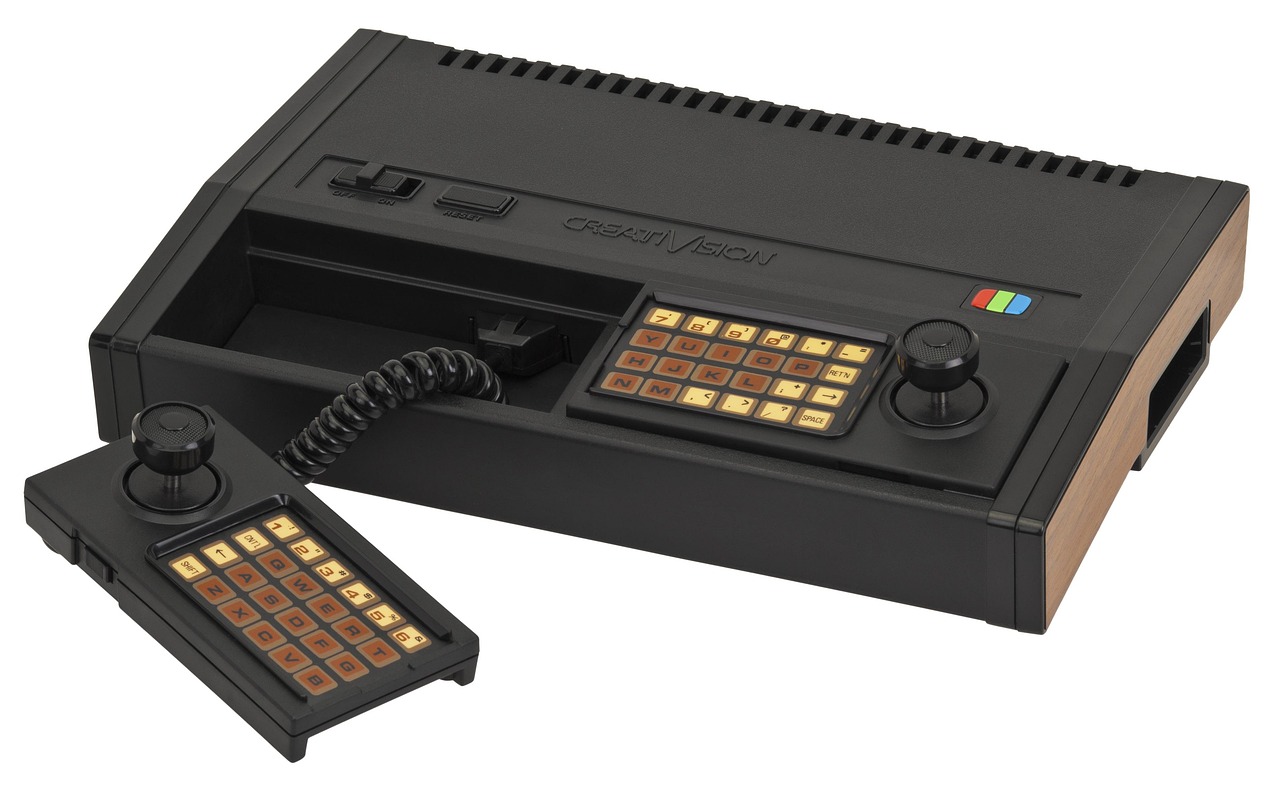
In the vast, ever-expanding universe of interactive entertainment, choosing your next adventure can feel like navigating a cosmic maze. With thousands of new titles launching annually across platforms from PCs to consoles and mobile devices, how do you separate the diamonds from the rough? This is where the invaluable world of game reviews steps in. More than just simple opinions, professional and user-generated video game reviews serve as crucial compasses, guiding players to their next unforgettable experience and providing vital feedback to the creators themselves. Join us as we explore the intricate landscape of game reviews, understanding their impact, how to craft them, and what the future holds for this critical pillar of the gaming industry.
The Indispensable Role of Game Reviews in Today’s Gaming Landscape
In an ecosystem teeming with new releases, marketing hype, and diverse player expectations, game reviews have never been more critical. They act as a bridge, connecting developers with their audience and empowering consumers with the knowledge to make informed decisions.
Why Game Reviews Matter More Than Ever
- Consumer Guidance: For players, honest game reviews are a shield against buyer’s remorse. They help save precious time and hard-earned money by highlighting a game’s strengths, weaknesses, and overall value. Before spending $70 on a new AAA title, many gamers consult multiple sources to ensure it aligns with their preferences.
- Industry Feedback and Improvement: Developers eagerly read game reviews – both critical and positive – to understand what resonates with players and where improvements are needed. This feedback loop is essential for refining patches, planning sequels, and shaping future game design philosophies.
- Community Building and Discourse: Reviews spark conversations. They provide a common ground for players to discuss mechanics, story, performance, and shared experiences, fostering vibrant gaming communities online.
- Highlighting Trends and Innovation: Professional game reviews often spotlight groundbreaking mechanics, innovative storytelling, or unique art styles that might otherwise get lost in the noise. They help shape critical discourse around what defines excellent game design.
Actionable Takeaway: Recognize that game reviews serve multiple vital functions, benefiting both players and developers. Engaging with reviews, whether reading or writing them, contributes positively to the gaming ecosystem.
Types of Game Reviews
The landscape of game reviews is diverse, with various formats and sources catering to different needs:
- Professional/Critique Reviews: These typically come from established gaming publications (e.g., IGN, GameSpot, PC Gamer, Eurogamer) or aggregators like Metacritic and OpenCritic. They often feature in-depth analysis, scoring systems, and are written by experienced journalists.
- User Reviews: Platforms like Steam, PlayStation Store, Xbox Marketplace, and even Reddit are brimming with user-generated game reviews. These reviews offer a broader spectrum of opinions, often reflecting the experiences of the average player. While sometimes less polished, their sheer volume can provide valuable insights.
- Influencer/Streamer Reviews: YouTube and Twitch creators offer a dynamic, often live, perspective. Their reviews blend gameplay footage, personal reactions, and direct interaction with their audience, providing a more visual and interactive review experience.
- Niche/Specialized Reviews: Some reviewers focus on specific genres (e.g., RPGs, horror), platforms (e.g., Nintendo Switch indie games), or aspects like accessibility options, offering highly tailored insights for particular audiences.
Dissecting the Anatomy of a Great Game Review
What makes a game review truly stand out? It’s a combination of thorough analysis, clear communication, and a balanced perspective. A great review goes beyond simply liking or disliking a game; it explains why.
Key Elements Every Review Should Cover
To provide a comprehensive picture, an effective game review typically delves into several core aspects:
- Gameplay Mechanics: This is the heart of any game. How do the controls feel? Is the core loop engaging? Are the challenges fair and interesting? Does the game introduce new mechanics effectively? (e.g., the intricate combat systems and open-world exploration in Elden Ring).
- Story & Narrative (if applicable): Is the plot compelling? Are the characters well-developed? Does the world-building draw you in? Are there meaningful choices? (e.g., the branching narratives and moral dilemmas in The Witcher 3: Wild Hunt).
- Graphics & Sound: Evaluate the visual fidelity, art style, environmental design, and character models. For sound, consider the soundtrack, voice acting, sound effects, and overall audio immersion.
- Performance & Technical Aspects: A crucial, often overlooked, element. Are there bugs, glitches, or crashes? What about frame rate stability and loading times? How well is the game optimized for its target platforms? (e.g., the significant post-launch patching required for Cyberpunk 2077).
- Replayability & Value: Does the game offer post-game content, New Game+, or robust multiplayer? Is there enough content to justify its price point?
- Innovation & Originality: What does the game do differently? Does it push the boundaries of its genre or introduce novel concepts?
Practical Example: When reviewing a game like The Legend of Zelda: Tears of the Kingdom, a great review would not only praise its expansive world and creative Ultrahand/Fuse mechanics but also objectively discuss any frame rate drops in busy areas or the occasional inventory management frustrations, providing a holistic view.
The Importance of Objectivity vs. Subjectivity
Achieving the perfect balance between objective analysis and subjective experience is the hallmark of a skilled reviewer. While personal enjoyment is part of the experience, a professional game review must strive for clarity on factual elements.
- Objective Observations: These are verifiable facts – the game runs at 30 FPS on console, it has a co-op mode for up to four players, or there’s a specific number of weapons available.
- Subjective Interpretations: These are personal feelings and preferences – “I found the story emotionally resonant,” “the art style didn’t appeal to me personally,” or “the combat felt clunky to my taste.”
Transparency is key: A good reviewer will always make it clear when they are presenting a fact versus a personal opinion, helping readers contextualize the feedback. Being transparent about one’s own biases (e.g., “I generally prefer turn-based RPGs”) can also build trust.
Actionable Takeaway: When evaluating games, dissect them into their core components and strive to articulate both observable facts and personal feelings clearly. When writing, differentiate between the two.
Crafting Compelling and SEO-Friendly Game Reviews
Whether you’re writing for a personal blog or a major publication, making your game review engaging and discoverable is paramount. A well-written review combines critical insight with strong presentation and search engine optimization.
Pre-Review Preparation: Research and Playtesting
The foundation of any good review is thorough preparation:
- Understanding the Context: Research the developer’s past work, the game’s genre conventions, and any pre-release information or promises. Knowing the game’s lineage helps you evaluate its innovations and execution.
- Thorough Playtesting: This is non-negotiable. Play enough of the game to experience its full scope – including main story, side quests, multiplayer, and endgame content where applicable. Don’t rush; take your time to truly understand its systems.
- Detailed Note-Taking: Keep a log of your experiences. Jot down initial impressions, interesting mechanics, frustrating bugs, memorable moments, and recurring issues as they happen. This raw data will be invaluable when structuring your review.
Writing Strategies for Engagement
Once you have your notes, it’s time to craft your narrative:
- Strong Hook: Start with an attention-grabbing sentence or paragraph that sets the tone and introduces the game effectively.
- Clear Structure: Organize your review logically. An introduction, followed by body paragraphs dedicated to specific elements (gameplay, story, graphics, etc.), and a concise conclusion. Use headings and subheadings (like in this post!) to break up text and improve readability.
- Descriptive Language: Use vivid adjectives and strong verbs to paint a picture for your reader without spoiling key plot points. Instead of “the combat was good,” try “the fluid, satisfying parry system transformed every encounter into a tense dance of blades.”
- Balanced Assessment: Be honest. Highlight both the game’s strengths and its weaknesses. A review that’s either entirely glowing or entirely negative often lacks credibility.
- Actionable Conclusion: Summarize your overall verdict and clearly state who the game is for, and whether you recommend it.
Optimizing for Search Engines (SEO)
Even the best content needs to be found. SEO ensures your review reaches a wider audience:
- Keyword Research: Identify relevant terms people search for, such as “[Game Title] review,” “best indie games 2023,” or “honest game reviews.” Tools like Google Keyword Planner or Ahrefs can assist.
- Strategic Keyword Placement: Naturally integrate your chosen keywords into your title, headings, introduction, and throughout the body of your review. Don’t force them – content quality always comes first.
- Meta Description: Write a concise, compelling meta description (the snippet under your title in search results) that includes keywords and entices clicks.
- Readability: Search engines favor content that’s easy for humans to read. Use short paragraphs, bullet points, numbered lists, and clear, simple language.
- Internal and External Linking: Link to other relevant reviews on your site (internal linking) or official game pages and developer sites (external linking). This provides context and boosts your site’s authority.
- Image Optimization: Use relevant images (screenshots, cover art) and include descriptive alt text that incorporates keywords.
Actionable Takeaway: Approach game reviews with diligence, ensuring you thoroughly play and analyze the game. Then, craft your insights into an engaging, structured narrative, and optimize it with natural SEO practices to maximize its reach.
The Business of Game Reviews: From Hobby to Profession
For many, reviewing games starts as a passion project. However, with dedication and strategic effort, it can evolve into a legitimate profession, offering various avenues for monetization and career growth.
Monetization Avenues for Reviewers
Turning your passion for video game reviews into income is increasingly viable:
- Ad Revenue: Displaying ads (e.g., Google AdSense) on your website or running ads on your YouTube channel can generate passive income as your audience grows.
- Affiliate Marketing: Linking directly to game purchase pages (e.g., Steam, Amazon, publisher stores) through affiliate programs allows you to earn a commission on sales made through your links.
- Sponsored Content and Partnerships: As your influence grows, game publishers or developers might pay you to review their games or create sponsored content. Transparency is crucial here; always disclose sponsored content to maintain trust.
- Patreon/Donations: A dedicated audience often supports creators directly through platforms like Patreon, where they can pledge recurring donations in exchange for exclusive content or early access.
- Merchandising: For established brands, selling branded merchandise can be another revenue stream.
Building Your Brand and Audience
Success in professional game reviews hinges on building a strong, recognizable brand:
- Consistency is Key: Regularly publishing high-quality content on a predictable schedule helps retain existing viewers and attract new ones.
- Niche Focus: While broad appeal is good, specializing in a particular genre (e.g., retro game reviews, VR game reviews), platform, or review style can help you stand out and attract a dedicated audience.
- Platform Diversification: Don’t limit yourself to one platform. Leverage a blog for in-depth articles, YouTube for video reviews, Twitch for live gameplay and initial reactions, and social media (Twitter, Instagram, TikTok) for short-form content and community engagement.
- Engagement and Community: Respond to comments, ask questions, and foster a sense of community around your content. Interacting with your audience builds loyalty and provides valuable feedback.
Ethical Considerations in Game Journalism
Maintaining integrity is paramount for any professional reviewer:
- Transparency: Always disclose if you received a free review copy, if content is sponsored, or if you have any financial ties to a developer or publisher.
- Avoiding Conflicts of Interest: Be wary of reviewing games from friends, family, or companies you have direct investment in. If unavoidable, disclose the relationship clearly.
- Maintaining Editorial Independence: Your opinions should be your own, free from external pressure. The review should serve the reader first, not the publisher.
Actionable Takeaway: If aspiring to professionalize your game review efforts, focus on building a strong brand through consistent, quality content across multiple platforms, while strictly adhering to ethical guidelines to maintain trust and credibility.
The Future of Game Reviews: Evolving Trends and Technologies
The gaming industry is constantly evolving, and game reviews are no exception. New technologies and content consumption habits are shaping how we evaluate and discover games.
Rise of Interactive and Video Reviews
Static text reviews remain vital, but dynamic formats are gaining traction:
- Streaming Platforms: Live gameplay reviews on Twitch or YouTube allow for real-time interaction, showcasing bugs, nuanced mechanics, and player reactions authentically.
- Bite-Sized Content: Platforms like TikTok and YouTube Shorts are perfect for quick, engaging first impressions or highlighting specific game features, catering to shorter attention spans.
- Interactive Experiences: Imagine reviews that let you play a short demo directly within the review itself, or choose which aspect of the game you want to explore next in a video.
AI and Data-Driven Insights
Artificial intelligence is beginning to influence how we understand game reception:
- AI-Assisted Analysis: AI can process vast amounts of user review data, identifying common themes, sentiment, and emerging trends far faster than humans. This can provide developers with quick, high-level feedback.
- Personalized Recommendations: AI algorithms already power game discovery on platforms like Steam. In the future, reviews themselves could be tailored to a user’s specific preferences, highlighting aspects most relevant to them.
The Growing Importance of Accessibility Reviews
As the gaming community becomes more diverse, so too does the need for inclusive reviews:
- Dedicated Accessibility Sections: Many modern reviews now include specific sections detailing a game’s accessibility options, such as customizable controls, colorblind modes, difficulty settings, and text size options.
- Specialized Reviewers: There’s a growing demand for reviewers who focus specifically on how games cater to players with various disabilities, providing invaluable insights for a significant segment of the gaming population.
Actionable Takeaway: Stay adaptable. Embrace new platforms and technologies for creating and consuming reviews. Pay attention to specialized review needs, particularly in areas like accessibility, to remain relevant in a dynamic industry.
Conclusion
From helping gamers make informed purchasing decisions to providing critical feedback for developers, game reviews are an indispensable component of the modern gaming ecosystem. They serve as a vibrant forum for discussion, a beacon for discovery, and a vital source of accountability within an industry that thrives on innovation and player satisfaction. Whether you’re a casual player seeking your next digital adventure, an aspiring reviewer honing your critical eye, or a developer striving to create the next masterpiece, understanding the power and purpose of comprehensive, honest game reviews is paramount. By continuing to engage with, create, and champion ethical and insightful game critiques, we all contribute to a more informed, vibrant, and ultimately, more enjoyable world of gaming.