
The world of gaming has dramatically evolved, breaking free from the confines of living rooms and desktop setups. Today, the thrill of high-stakes adventures, intricate puzzles, and competitive esports is no longer restricted by location. Welcome to the era of portable gaming, where your next epic quest or casual brain-teaser is always just a pocket, backpack, or cloud tap away. This revolutionary shift has empowered millions to dive into immersive digital worlds on their commute, during a lunch break, or from the comfort of their favorite armchair, redefining what it means to be a gamer in the 21st century.
Portable gaming isn’t a new concept, but its journey from pixelated handhelds to powerful, multi-platform devices has been nothing short of spectacular. Understanding this evolution helps appreciate the current landscape of gaming on the go.
From Dedicated Handhelds to Hybrid Powerhouses
The roots of portable gaming stretch back decades, but its most iconic phase began with Nintendo’s Game Boy, bringing gaming to the masses in a truly accessible form. Fast forward through generations of innovation, including the PlayStation Portable (PSP) and Nintendo DS, and we arrive at today’s sophisticated offerings.
-
- Game Boy (1989): Pioneered monochrome gaming on the go, selling over 118 million units.
-
- PSP & Nintendo DS (2004-2005): Introduced advanced graphics, online multiplayer, and dual-screen mechanics.
-
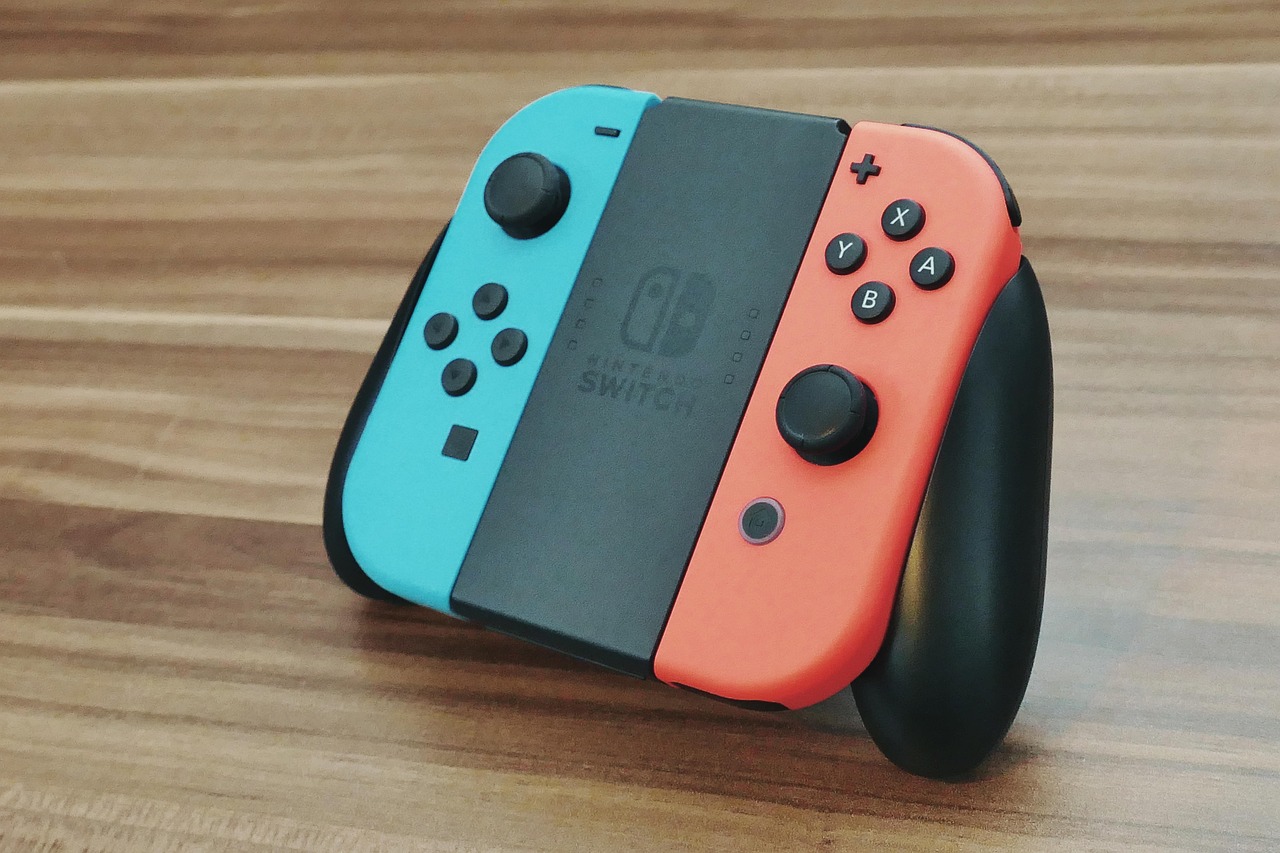
- Nintendo Switch (2017): Revolutionized the concept with its hybrid design, seamlessly transitioning between TV and handheld modes, selling over 130 million units worldwide.
-
- PC Handhelds (Steam Deck, ROG Ally, Lenovo Legion Go): Blurred the lines further, offering desktop-grade PC gaming in a portable form factor, accessing vast game libraries like Steam, Epic Games, and Xbox Game Pass.
This lineage demonstrates a consistent drive towards more power, better visuals, and greater flexibility for gamers.
The Unstoppable Rise of Mobile Gaming
While dedicated handhelds carved a niche, the explosion of smartphones and tablets brought gaming to an even wider audience. What started with simple puzzle games has matured into a multi-billion dollar industry offering console-quality experiences.
-
- Smartphone Ubiquity: With billions of smartphones globally, mobile gaming became the most accessible entry point to gaming.
-
- App Store Ecosystems: iOS App Store and Google Play Store host millions of titles, from free-to-play casual games to premium AAA experiences like Genshin Impact, Call of Duty Mobile, and Alien: Isolation.
-
- Technological Advancements: Modern phone chipsets (e.g., Apple A-series, Qualcomm Snapdragon) rival older console performance, supporting high refresh rates and ray tracing.
-
- Cloud Gaming Integration: Many cloud gaming services now offer robust mobile apps, allowing streaming of PC and console titles directly to phones.
Actionable Takeaway: Consider the breadth of experiences available. If you’re looking for dedicated gaming sessions, a handheld console might be ideal. For casual play and quick fixes, your smartphone is already a powerful gaming machine.
Why Portable Gaming Reigns Supreme: Benefits & Appeal
The allure of gaming on the go extends beyond mere convenience. It offers a unique blend of flexibility, accessibility, and diverse experiences that traditional gaming setups often can’t match.
Unmatched Convenience and Flexibility
The primary draw of portable gaming is its inherent flexibility. You’re no longer tethered to a specific room or screen.
-
- Play Anywhere, Anytime: Whether on a long flight, a coffee break, or unwinding in bed, your games are ready when you are.
-
- Seamless Transition: Devices like the Nintendo Switch allow you to pick up a game on your TV and continue it handheld instantly.
-
- Optimized for Short Sessions: Many portable titles are designed for quick play bursts, perfect for commutes or waiting times.
-
- Multi-functional Devices: Smartphones double as gaming devices, media players, and communication tools, reducing the need for multiple gadgets.
This freedom enhances gaming habits, making it easier to fit play into busy schedules.
Accessibility & Affordability for Every Gamer
Portable gaming has lowered the barrier to entry, making gaming more accessible to a broader demographic than ever before.
-
- Wide Price Range: From free-to-play mobile games to mid-range handhelds and premium PC portables, there’s an option for every budget.
-
- Diverse Game Libraries: App stores offer millions of titles, many of which are free or inexpensive. Services like Apple Arcade and Google Play Pass provide curated, ad-free experiences for a low monthly fee.
-
- Cloud Gaming for Lower Hardware Cost: Cloud services allow you to stream high-end games on less powerful devices, drastically reducing the upfront hardware investment.
-
- Simplified Setups: No complex installations or extensive peripherals needed; just pick up and play.
Actionable Takeaway: If budget is a concern, start with your existing smartphone and explore the vast free-to-play and subscription game libraries available. For a step up, consider a Nintendo Switch Lite or look into refurbished handhelds.
A Spectrum of Diverse Gaming Experiences
From casual puzzlers to graphically intensive open-world epics, portable platforms now deliver a full spectrum of gaming experiences.
-
- Casual & Hyper-casual: Ideal for quick, engaging fun (e.g., Candy Crush, Among Us, Vampire Survivors).
-
- Indie Gems: Portable platforms are havens for innovative indie titles (e.g., Hades, Stardew Valley, Celeste).
-
- AAA Blockbusters: Many modern handhelds and smartphones can run demanding games, often with optimized versions (e.g., The Witcher 3, Cyberpunk 2077 via Steam Deck/Cloud, Genshin Impact).
-
- Retro Gaming: Emulation communities and official retro collections thrive on portable devices, bringing back classic titles.
No matter your genre preference, there’s a compelling portable experience waiting for you.
Top Portable Gaming Devices & Platforms Today
The current market offers an exciting array of choices for portable gamers, each with its unique strengths and ecosystems.
Dedicated Handheld Consoles: Power in Your Palm
These devices are purpose-built for gaming, offering optimized controls and performance.
-
- Nintendo Switch Family (Switch, Switch Lite, Switch OLED):
- Pros: Unrivaled first-party game library (Zelda, Mario), versatile hybrid design, family-friendly.
- Cons: Graphics might not match competitors, Joy-Con drift concerns for some.
- Ideal For: Gamers seeking exclusive Nintendo titles, hybrid play, and local multiplayer.
- PC Handhelds (Steam Deck, ASUS ROG Ally, Lenovo Legion Go):
- Pros: Access to vast PC game libraries (Steam, Epic, GOG), customizable performance, full Windows OS on some models.
- Cons: Higher price point, steeper learning curve for PC newcomers, battery life varies wildly with game demands.
- Ideal For: PC gamers who want to take their existing library on the go, tech enthusiasts.
These devices represent the pinnacle of dedicated handheld gaming experiences.
Smartphones & Tablets: The Ubiquitous Gaming Hub
For many, the device already in their pocket is their primary portable gaming platform.
-
- iOS Devices (iPhones, iPads):
- Pros: Premium hardware, vast curated App Store, Apple Arcade subscription for ad-free games, excellent touch controls.
- Cons: High device cost, reliance on virtual controls for many games (external controllers recommended for serious play).
- Android Devices:
- Pros: Wider range of device prices, greater customization, open ecosystem for emulators, Game Pass support.
- Cons: Fragmented hardware landscape, potential for less optimized games on some devices.
Actionable Takeaway: If you own a smartphone, invest in a good mobile controller (e.g., Backbone One, Razer Kishi V2) to significantly enhance your gaming experience beyond touch controls.
Cloud Gaming Services: Streaming the Future
Cloud gaming eliminates the need for powerful local hardware by streaming games from remote servers directly to your device.
-
- Xbox Cloud Gaming (Game Pass Ultimate): Stream a rotating library of Xbox titles to phones, tablets, PCs, and smart TVs.
-
- NVIDIA GeForce NOW: Connects to your existing PC game libraries (Steam, Epic) and streams them with high performance.
-
- PlayStation Plus Premium: Offers a catalog of classic and modern PlayStation games for streaming.
Actionable Takeaway: Try a free trial of a cloud gaming service if you have a stable, high-speed internet connection. It’s an excellent way to play AAA titles without buying expensive hardware.
Optimizing Your Portable Gaming Experience
Getting the most out of your gaming on the go setup involves more than just picking a device; it’s about enhancing comfort, performance, and longevity.
Essential Accessories for Enhanced Play
The right accessories can transform your portable setup from good to great.
-
- External Controllers:
- Mobile: Backbone One, Razer Kishi V2, or standard Bluetooth controllers (Xbox, PlayStation).
- PC Handhelds: While most have integrated controls, some prefer external for specific games or TV play.
- Benefit: Superior precision, comfort, and tactile feedback over touchscreens.
- Portable Power Banks:
- Capacity: Look for at least 10,000mAh for phones, 20,000mAh or more for handheld consoles.
- PD (Power Delivery): Ensure it supports USB-PD for faster charging of larger devices like the Switch or Steam Deck.
- Benefit: Extends playtime significantly, crucial for long commutes or travel.
- Protective Cases & Screen Protectors:
- Cases: Hard shell cases for handhelds, rugged cases for phones.
- Screen Protectors: Tempered glass is highly recommended to prevent scratches and cracks.
- Benefit: Safeguards your valuable devices from bumps, drops, and scratches, preserving resale value.
- High-Quality Headphones:
- Wired/Wireless: Depends on device ports and preference. Low-latency wireless options are best for competitive games.
- Benefit: Immersive audio, clear communication in multiplayer, blocks out ambient noise.
Connectivity & Performance Tips
A smooth gaming experience relies heavily on stable connectivity and optimized settings.
-
- Stable Wi-Fi & 5G:
- For Cloud Gaming: A strong, low-latency connection (preferably 5GHz Wi-Fi or 5G) is paramount to minimize input lag and visual artifacts. Aim for at least 20-50 Mbps.
- For Downloads/Updates: Use Wi-Fi to avoid data charges and ensure quick updates.
- Optimize Game Settings:
- Graphics: On PC handhelds or higher-end mobile games, reducing resolution, texture quality, or anti-aliasing can significantly improve frame rates and battery life.
- Frame Rate: Aim for a stable frame rate over absolute graphical fidelity, especially in fast-paced games.
- Close Background Apps: Free up RAM and CPU cycles by closing unnecessary apps on your smartphone or PC handheld before gaming.
Mastering Battery Life Management
Portable devices are only as good as their battery life. Here’s how to make it last longer:
-
- Lower Screen Brightness: The display is often the biggest power consumer.
-
- Disable Unnecessary Features: Turn off Bluetooth, Wi-Fi, or GPS if not in use.
-
- Use Power-Saving Modes: Many devices have built-in modes that limit CPU speed or background activity.
-
- Game Selection: Less graphically intensive games consume less power.
-
- Keep Software Updated: Manufacturers often release updates that improve power efficiency.
Actionable Takeaway: Prioritize accessories that address your biggest pain points (e.g., battery life for long trips, controller for better control) and adjust game settings for optimal performance and battery balance.
The Future Horizon of Gaming on the Go
Portable gaming is far from reaching its peak. Continuous technological advancements promise an even more immersive and seamless future.
Advancements in Hardware and Software
We can expect relentless innovation in key areas:
-
- More Powerful Processors: Next-generation chips will offer even greater console-level performance in smaller, more efficient packages.
-
- Improved Displays: Higher refresh rates, OLED technology with better colors and contrast, and even foldable screens will enhance visual fidelity.
-
- Better Battery Technology: While a significant challenge, breakthroughs in battery chemistry will lead to longer playtime without increasing device size.
-
- Operating System Optimizations: Dedicated gaming modes and streamlined interfaces will improve user experience and performance.
The Integration of AR/VR and AI
Augmented Reality (AR) and Virtual Reality (VR) are set to merge with portability in exciting ways.
-
- Portable AR Gaming: Imagine games overlaying digital elements onto your real-world environment via smart glasses or phone screens.
-
- Standalone VR Headsets: Devices like the Meta Quest continue to push the boundaries of portable, untethered VR gaming.
-
- AI-Powered Experiences: AI could personalize game content, create more dynamic NPCs, or even generate levels on the fly, tailoring the experience to the player.
Cloud Gaming’s Inevitable Dominance
As internet infrastructure improves globally, cloud gaming will become increasingly prevalent.
-
- Device Agnosticism: Play any game on any screen with a stable internet connection, regardless of local hardware.
-
- Reduced Storage Needs: Games are streamed, eliminating massive download and installation files.
-
- Subscription Model Expansion: More publishers will offer comprehensive game libraries via subscription, mirroring streaming services like Netflix.
Actionable Takeaway: Keep an eye on evolving technologies like better mobile chipsets and 5G expansion, as they will directly enhance both local and streamed portable gaming experiences.
Conclusion
Portable gaming has transformed from a niche curiosity into a dominant force within the video game industry. It offers unparalleled convenience, accessibility, and a diverse range of experiences, catering to every type of gamer. Whether you prefer the dedicated power of a Steam Deck, the versatility of a Nintendo Switch, or the sheer ubiquity of your smartphone paired with a cloud gaming service, the ability to play high-quality games on the go has never been more robust or exciting.
As technology continues to advance, we can only expect more powerful devices, more immersive experiences, and even greater integration with emerging technologies like AR and cloud computing. The future of gaming on the go is bright, promising a world where your next adventure is truly limitless, ready to be enjoyed wherever life takes you.